
Riviera Maya Travel Tips & Essential Information
Make the most of your Riviera Maya adventure with our essential travel tips and practical advice. Find out what to pack, what to wear, which additional fees may apply, and how you can help protect the region’s unique natural environment.
You can also browse all our Riviera Maya tours to find the excursion that best suits your plans.
What to Bring on Your Riviera Maya Tour
Insider tip: Cash is still the most convenient way to pay in many places. Exchange offices in Playa del Carmen often offer better exchange rates than withdrawing Mexican pesos from an ATM with an international bank card. While credit cards are widely accepted, unfavourable exchange rates and additional bank fees can make card payments more expensive.
The Right Clothing for Tours in Mexico
Sun Protection & Environmental Conservation
To help preserve Mexico’s protected natural areas, special rules apply to the use of sunscreen.
Why Sunscreen Can Be a Problem
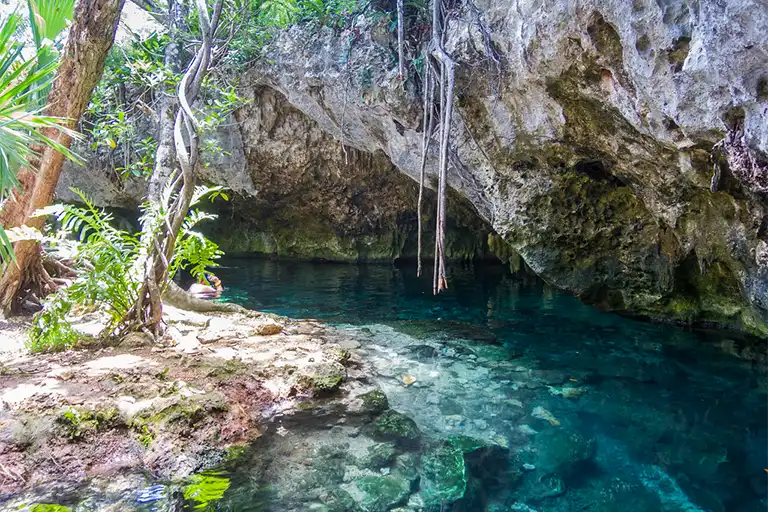
Many conventional sunscreens contain chemicals that are harmful to delicate coral reefs and marine life. These ingredients can also damage the fragile freshwater ecosystem of the cenotes, which are connected through an extensive underground cave system across the Yucatán Peninsula. In some areas, local communities still rely on this water as a source of drinking water. For this reason, strict environmental regulations apply in many nature parks and protected areas.
Our Recommendation: Reef-Safe Sunscreen or a UV Rash Vest
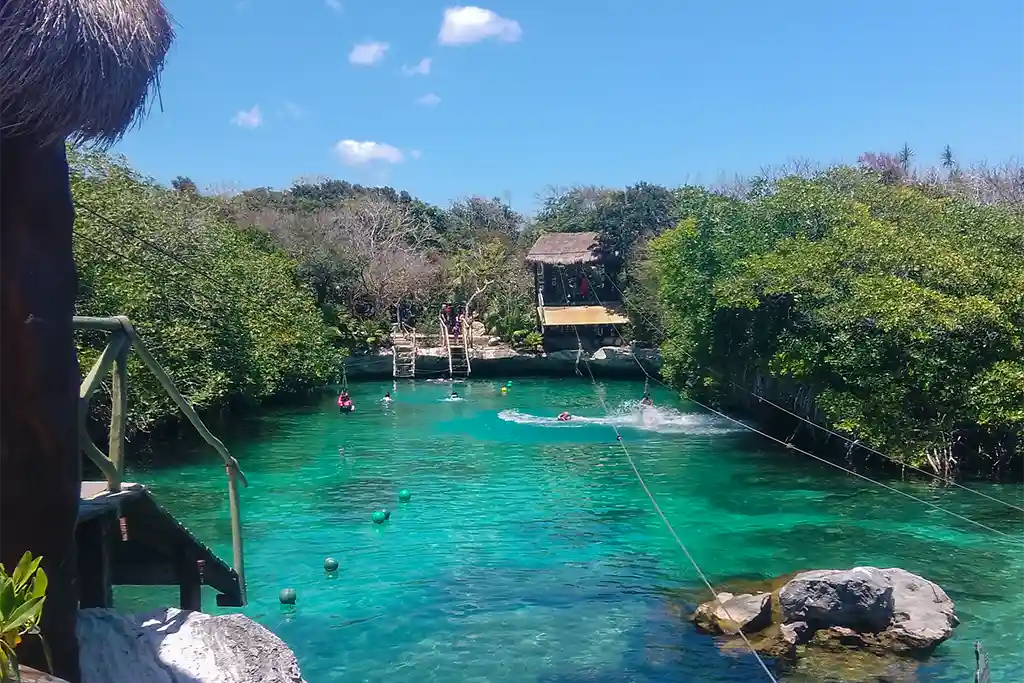
Be prepared for your sunscreen to be checked at the entrance to major nature and adventure parks. Clear sunscreen rules also apply at nature parks such as Xel-Há Park, where protecting the water and surrounding ecosystem is especially important. If it is not recognised as reef-safe and biodegradable, you may be asked to hand it in and purchase an approved sunscreen on site. Wearing a UV rash vest (also known as a rash guard) is an excellent alternative and avoids this problem altogether.
At many cenotes, the use of sunscreen and insect repellent before entering the water is strictly prohibited, and visitors are required to shower first. As most cenotes are located in caves or deep between shaded rock formations, sun protection is rarely needed while swimming. It is therefore best to apply sunscreen after your visit.
Internet, Mobile Data & Wi-Fi in Mexico
Using your home SIM card for calls or mobile data in Mexico can quickly become expensive. International roaming charges are often significantly higher than travellers expect. In Playa del Carmen, however, most hotels, restaurants and the nearby Xel-Há adventure park provide reliable Wi-Fi.
If you plan to stay connected while travelling beyond these areas, we recommend checking whether your mobile provider offers an international roaming package or purchasing an international eSIM (for example from Holafly). These packages are often available from around €6–15 for one or two weeks with generous data allowances. We generally do not recommend buying a local SIM card, as registration is required.
Tipping in Mexico
Tipping is not compulsory in Mexico (where it is known as propina), but it is an important part of many service workers’ income. If you enjoyed your tour, leaving a tip is a great way to show your appreciation. As a general guideline, around 100–150 MXN for your tour guide is appropriate, depending on the length of the tour. In restaurants and bars, a tip of 10–15% is customary.
Staying Safe on Your Tour
Your safety and wellbeing are our highest priorities. By following a few simple precautions, you can enjoy a relaxed and worry-free day exploring the Riviera Maya.
Reduce valuables: Take only the valuables you really need, along with some cash for personal expenses. The fewer valuable items you carry, the less chance there is of losing something.
Follow your guide’s instructions: Our experienced local guides know the area well and will explain important safety rules and local regulations. Please follow their advice for your own safety and to help protect the region’s natural and cultural heritage.
Stay hydrated: The tropical climate of the Yucatán Peninsula can become extremely hot, particularly around midday. Drink water regularly, even if you don’t feel thirsty.
Inform us about any medical conditions: If you have allergies, health conditions, physical limitations or special requirements, please let us know when booking or before your tour begins. This allows us to provide the best possible assistance.
Respect nature and cultural sites: Many of our tours visit unique nature reserves, cenotes and ancient Mayan archaeological sites. Please help preserve these special places by taking your rubbish with you, staying on marked paths and respecting local regulations.
Safety Advice for Swimming in Cenotes
Wearing a life jacket is mandatory in most cenotes. Not everyone is a confident swimmer, and many cenotes are more than ten metres deep. Even experienced swimmers can suffer from cramps, exhaustion or cold-water shock. Wearing a life jacket significantly reduces the risk of accidents and drowning.
The life jacket rental fee helps ensure that all equipment is properly maintained, cleaned and safety-certified. It covers regular inspections, maintenance and disinfection of this essential lifesaving equipment.
For an excursion combining cenote swimming with outdoor activities, take a look at our ATV, zipline and cenote tour.
Taxes & Entrance Fees in Mexico
Some tours may involve additional entrance fees, environmental charges or government taxes that are separate from the tour price. These fees are set by the relevant authorities, national parks or site operators and are outside the control of Mexitours24.
To help you plan your holiday budget, here is an overview of the most common fees you may encounter during your stay in the Riviera Maya.
Tourist Tax (Visitax)
The Mexican state of Quintana Roo charges an official tourist tax called Visitax for international visitors. This fee helps fund tourism infrastructure, public services and safety measures throughout the region.
Visitax is independent of any tour booking and applies to all international visitors staying in Quintana Roo. It is usually paid separately online.
Environmental & Conservation Fees
Many nature parks, cenotes, islands and protected areas in the Riviera Maya charge environmental or conservation fees, such as the Reef Conservation Fee (Impuesto de Arrecife) for Isla Contoy and Isla Mujeres. These contributions help protect the region’s unique wildlife, maintain visitor facilities and preserve its natural environment.
Good to know: On eligible Mexitours24 tours, these environmental and conservation fees are already included in the tour price. You won’t need to pay them separately on the day, allowing you to enjoy your excursion without any unexpected extra costs.
Impuesto Federal
The Impuesto Federal is a government conservation fee introduced by the Mexican authorities to support the preservation and management of important archaeological sites, protected areas and national heritage attractions.
Good to know: On eligible Mexitours24 tours, the Impuesto Federal is already included in the tour price. This means you don’t have to pay this fee separately on arrival, making your tour even more convenient.
Entrance Fees for Archaeological Sites
Archaeological sites such as Tulum, Cobá and Chichén Itzá charge entrance fees, which may consist of several components. These can include federal admission fees, regional charges and contributions towards the preservation of Mexico’s cultural heritage.
The exact structure and amount of these fees are determined by the responsible authorities and may change at any time without prior notice. The current official rates always apply.
Why Aren’t Some Fees Included in the Tour Price?
Some charges are introduced by government authorities, adjusted at short notice or must legally be collected separately. For this reason, it is not always possible to include every fee in the advertised tour price.
If any additional charges apply to a particular tour, we will always inform you transparently both in the tour description and during the booking process.
Our Tip: A Little Preparation Makes Your Holiday Even More Enjoyable
Planning ahead allows you to enjoy your Riviera Maya excursion from the very beginning. Many questions can be answered before your tour, from choosing the right clothing to understanding environmental regulations and possible entrance fees.
If you’re unsure about any additional costs, simply ask us before your tour and carry a small amount of cash in Mexican pesos just in case. If you have any questions, we’re always happy to help.
Frequently Asked Questions About Tours in Mexico
Personal Advice in Playa del Carmen
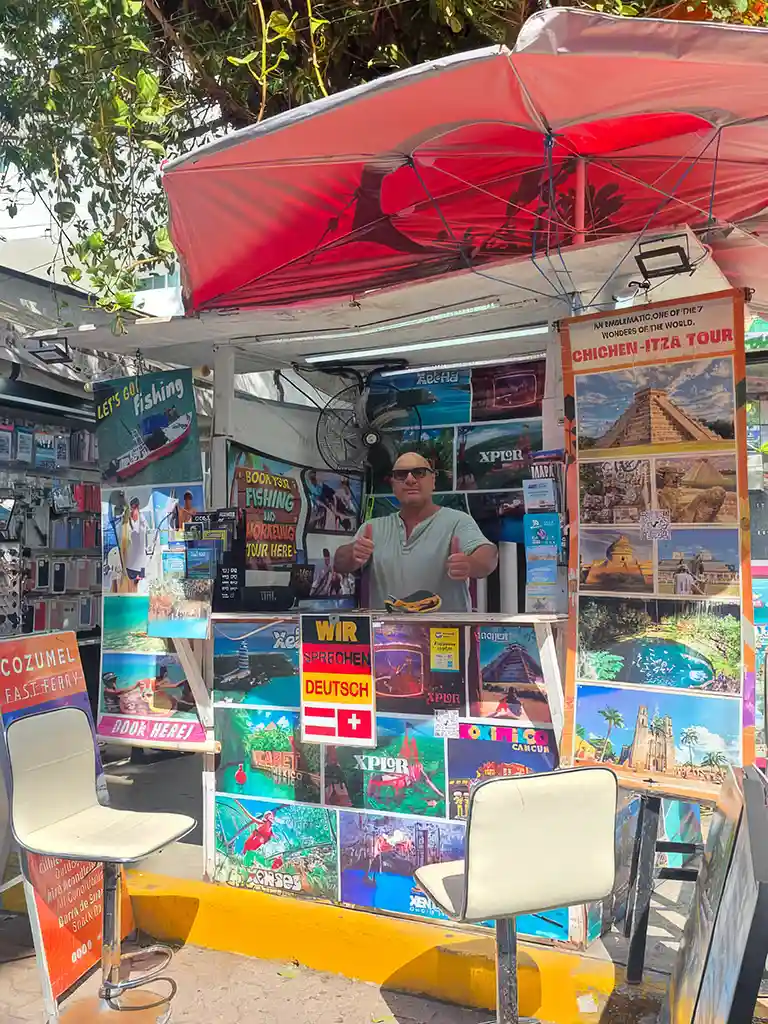
Already in Playa del Carmen and looking for personal advice? Feel free to visit us at our tour desk. You can learn more about our team and local experience on our About Us page.
Our online prices apply to bookings made through our website. If you visit us in person, we may be able to offer special conditions depending on the season, current availability and demand.
Just come and say hello. We’ll be happy to advise you personally and help you find the perfect tour for your holiday.
Any Questions?
Not sure which tour is right for you, or do you have questions before booking? Get in touch with us via WhatsApp – we’re always happy to help.